

Our Industries / AI In Agriculture
How Does AI Improve Yield in Commercial US Farming?
SmartNet integrates with existing precision-ag hardware — GPS-guided equipment, yield monitors, soil sensors — to turn the data that's already being collected into field-by-field recommendations on seeding rate, fertilizer application, and irrigation timing.
We also build predictive models for pest and disease pressure using regional weather and historical outbreak data, giving operations managers a lead time on treatment decisions measured in days, not hours.
How Does AI Optimize the Broader Supply Chain?
For agribusinesses managing storage, transport, and sale timing, SmartNet builds demand and futures-price forecasting models that inform when to sell versus store — directly affecting realized margin on a commodity crop.
We also work with equipment and input suppliers to build predictive maintenance models for farm machinery, reducing costly downtime during planting and harvest windows where timing is everything.
The Next Phase of Agricultural AI in the US
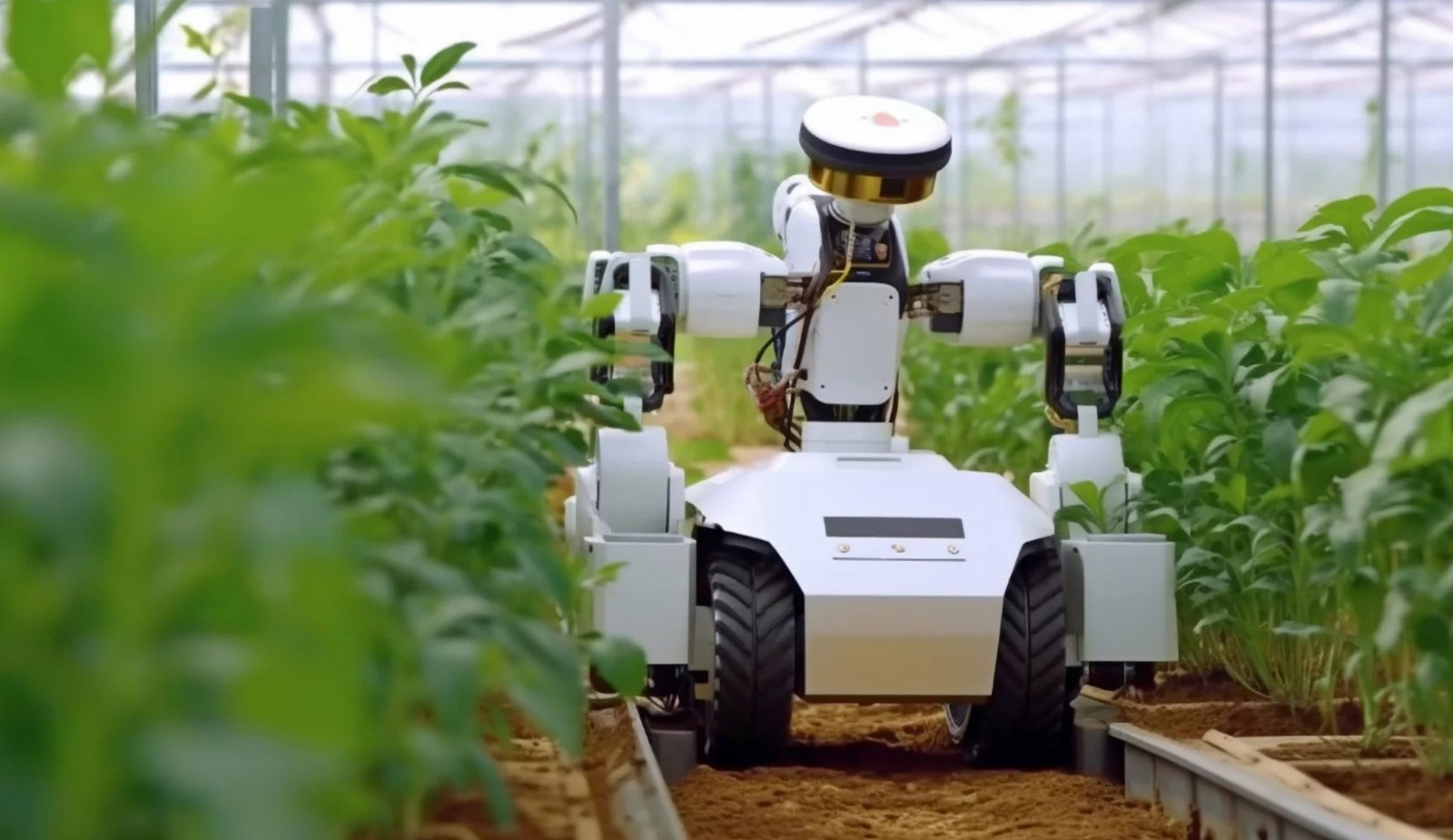
Autonomous and semi-autonomous farm equipment is moving from pilot programs to commercial deployment. SmartNet is building the data and decision layer that sits underneath that automation, since the hardware is only as good as the model directing it.
Carbon credit and sustainability reporting requirements are also creating new demand for AI systems that can verify and document farming practices at scale. SmartNet is building toward that reporting need as it becomes commercially relevant.
Talk to SmartNet LLC about applying AI to commercial-scale farm operations and agribusiness supply chains.




Transform Your Business with SmartNet LLC
Intelligent automation, scalable AI systems, and innovative solutions built for growth.
Contact Us